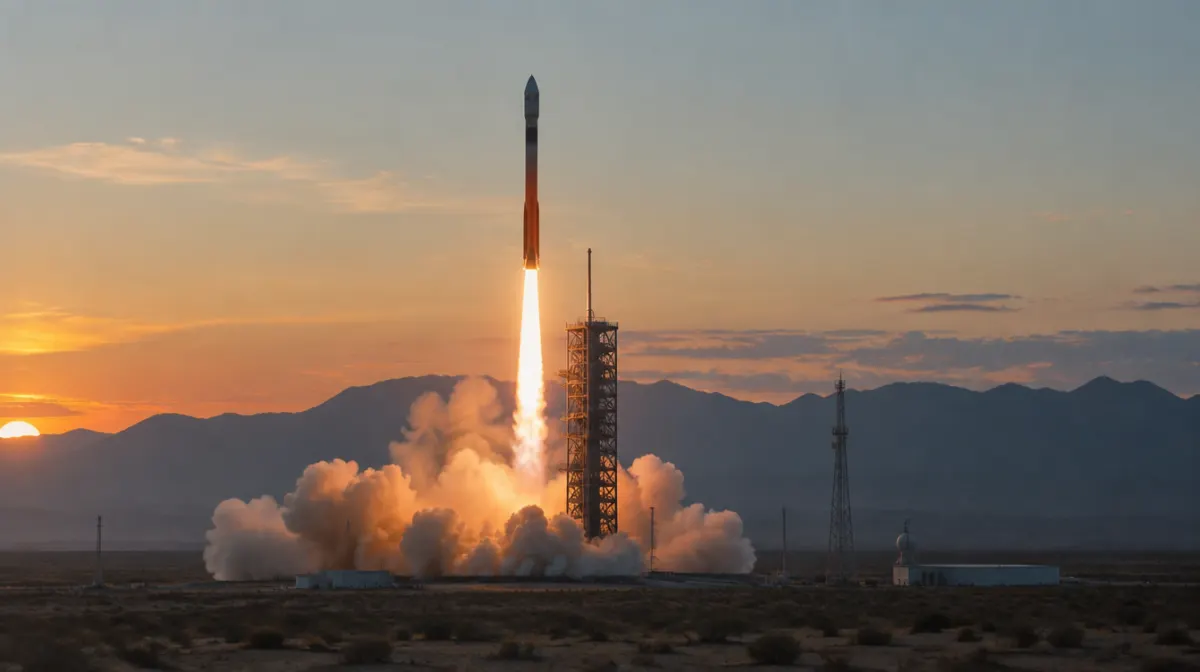
SpaceX stacks Starship for its first attempt to reach orbit
The move
SpaceX stacked its Ship 41 upper stage atop Super Heavy booster B21 at Starbase, Texas on Sept. 23, forming a 124-meter rocket for Starship's Flight 14, the vehicle's first attempt to reach orbit. The mission would deploy 26 next-generation Starlink V3 satellites over about a 10-hour flight, far longer than the roughly one-hour suborbital hops of earlier Starship flights. SpaceX is targeting a launch window opening as early as 7:15 a.m. CDT on Sept. 28, pending FAA approval; a temporary flight restriction is in place through Oct. 7.
Why it matters
An actual orbital attempt, rather than another suborbital hop, is the milestone SpaceX needs to start using Starship for real missions like Starlink deployment and, eventually, crewed flights.
The bear case
Earlier Starship test flights have ended in explosions or lost vehicles, and the FAA has not yet granted final approval for a vehicle this large to fly an orbital profile.
What to watch
The Flight 14 launch window opening Sept. 28, and whether the FAA grants approval in time.